Historical prototype · public-safe example · archive only
3BrainAI CRI Evidence Pack
German North Sea – offshore wind development monitoring
Renewable-energy development area with regularly spaced surface-visible offshore structures.
Hypothetical review question
Do the repeat-pass SAR observations provide sufficient surface-visible evidence to support the hypothetical statement that offshore wind installation activity substantially progressed across the monitored area during June 2026?
Assessment summary
Repeat-pass radar observations provide a dated surface record for reviewing the hypothetical statement. Surface-visible point targets are present, but the available evidence cannot confirm subsea works, contractual completion or the identity and condition of individual assets.
Observed vs Declared
Declared – hypothetical
Offshore wind installation activity substantially progressed across the monitored area during June 2026.
Observed – dated public evidence
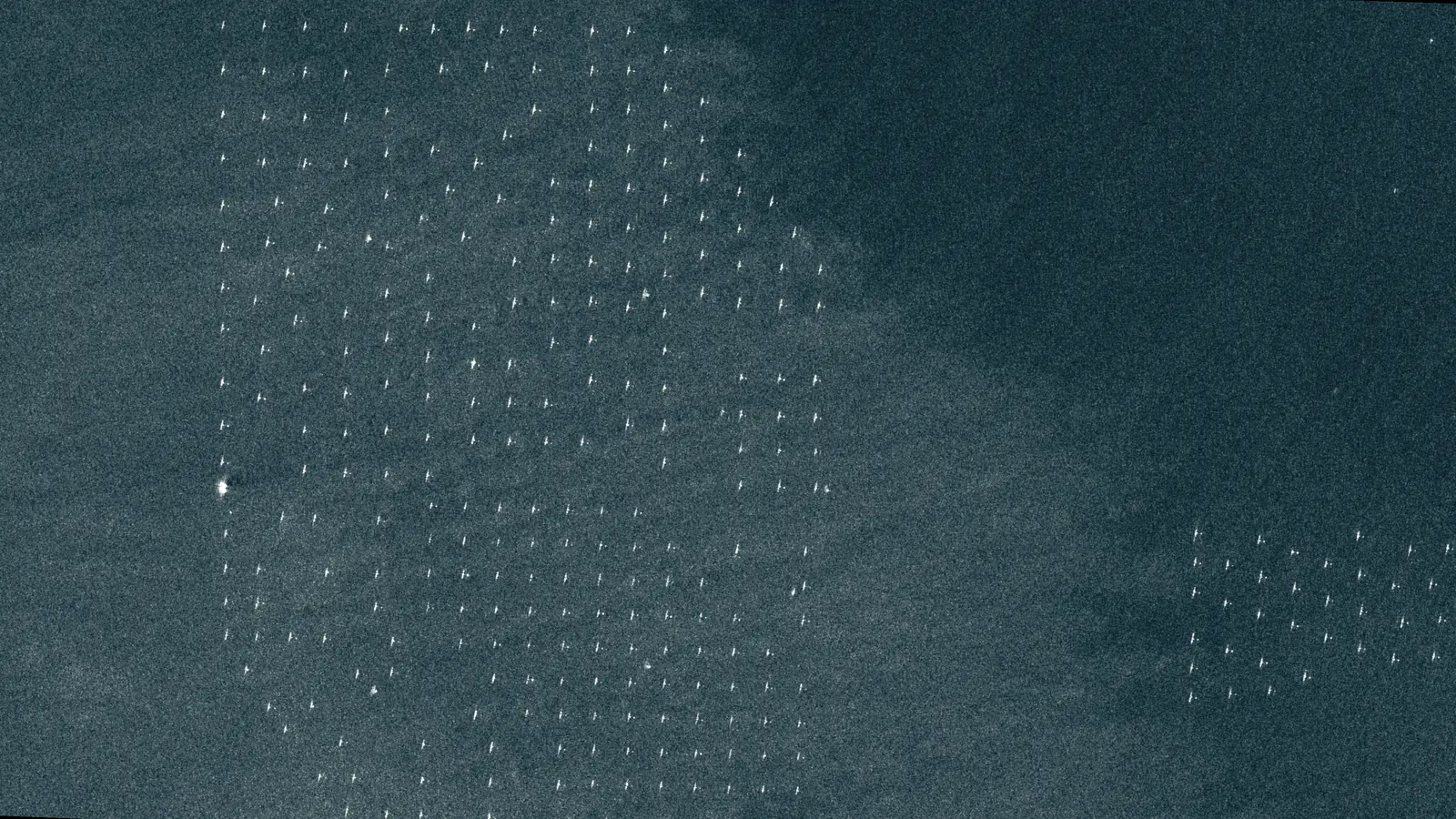
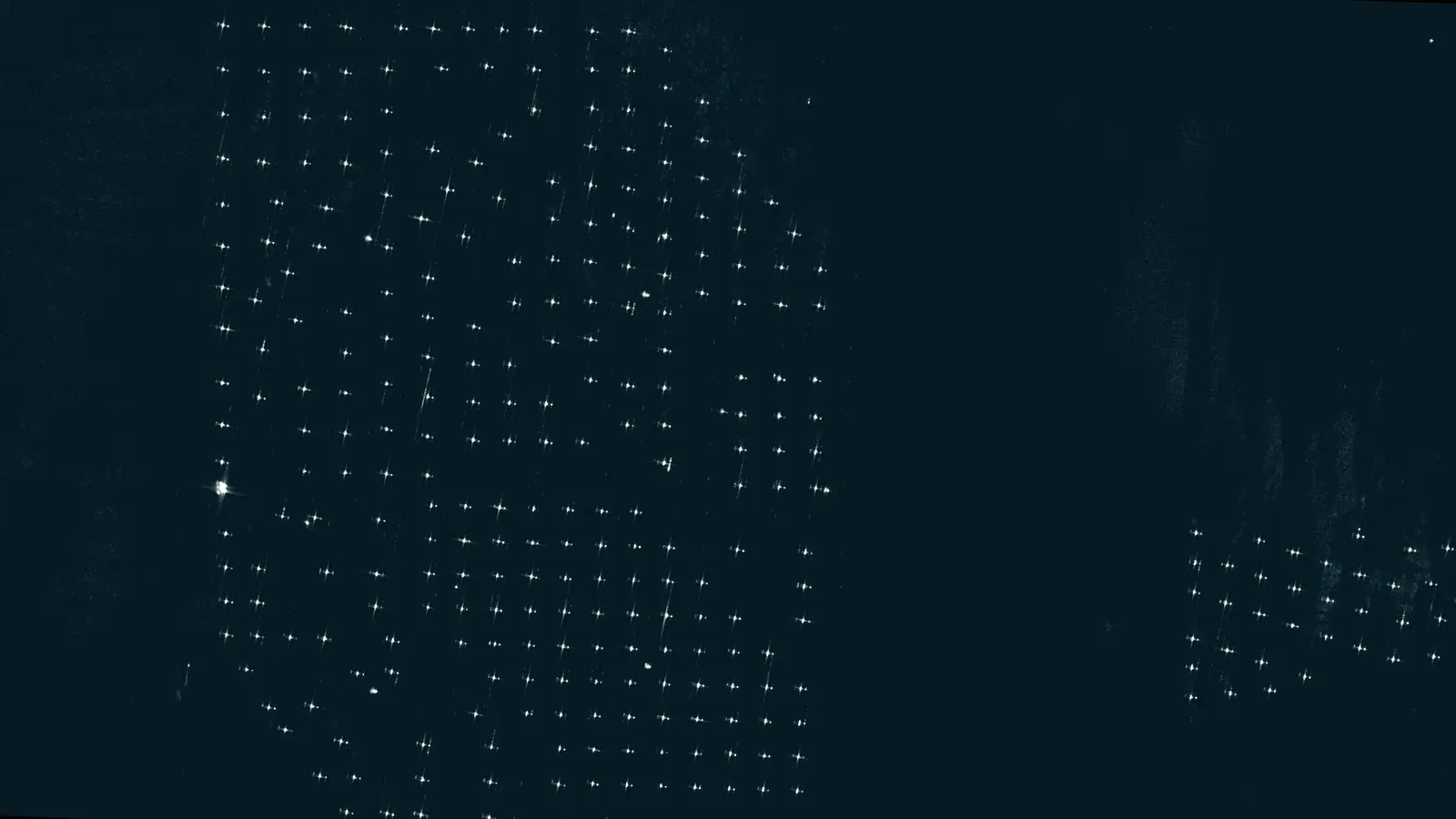
Both repeat-pass radar observations show multiple surface-visible point targets. Differences in brightness and texture do not by themselves confirm installation progress or asset condition.
Findings
- The repeat-pass acquisitions use comparable mode, orbit and geometry.
- Multiple bright point targets are visible at the sea surface.
- The surface record is insufficient to verify subsea or contractual completion.
Uncertainty and non-inference
Sea state, speckle, acquisition geometry and radar response affect interpretation. Sentinel-1 GRD VV contains backscatter, not interferometric phase, and cannot confirm subsea works, deformation or structural condition.
Bounded conclusion
The surface record is suitable only for a limited directional review of the hypothetical statement. It does not verify the identity, installation status or condition of individual assets, contractual completion or payment eligibility.
Interpretation of WATCH: evidence sufficiency and the need for documentary review. It is not a negative project rating and does not indicate delay, breach or default.
Evidence input excerpt
Repeat-pass surface-visible context across an offshore wind development area · public Copernicus inputs
Monitoring scope
The images show the full area of interest for geographic context. The target CRI workflow is intended to focus on selected zones, structures and project milestones at finer detail by combining appropriate observation and project data.
Image interpretation
Regularly spaced bright radar targets are consistent with surface-visible offshore wind structures. Imagery alone does not establish individual turbine identity, installation status or condition.