
Construction finance
A developer asks for six more months. Which timeline is being reviewed?
A six-month extension request raises two different questions: what is happening on site, and how should the bank assess the revised financing terms?
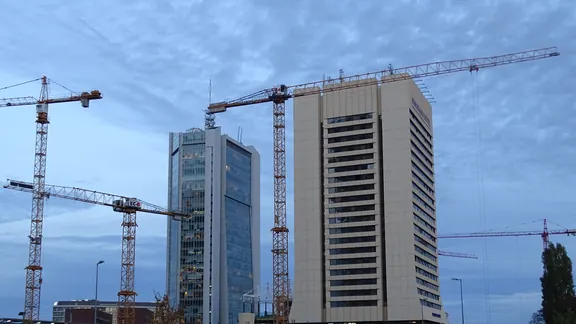
Image credit and licence
ŠJů, Wikimedia Commons · CC BY 4.0 · Image cropped for display

Source facts
The Czech National Bank’s communication of 17 September 2026 concerns EBA guidelines on the definition of default (EBA/GL/2026/05). It gives 19 October 2026 as the application date and discusses how banks assess whether forbearance reduces a borrower’s financial obligation.
Illustrative scenario
In this example, a developer requests six extra months. The application gives a new completion date, while the previous two reports use different milestones. Start with the schedule agreed at the last review. Identify what changed, when the bank learned of the change and which records support the explanation.
A review pack could present the agreed and revised dates alongside observations of the same work. A dated photograph may help check whether the building envelope was in place. Open questions about internal works belong on the list for the technical reviewer.
Six months is the developer’s request in this example. The bank still needs cash-flow projections, remaining construction costs and the contractual terms to assess the financing and decide how to classify it.
Question for the next review
What would confirm or challenge the developer’s explanation for the additional six months?